

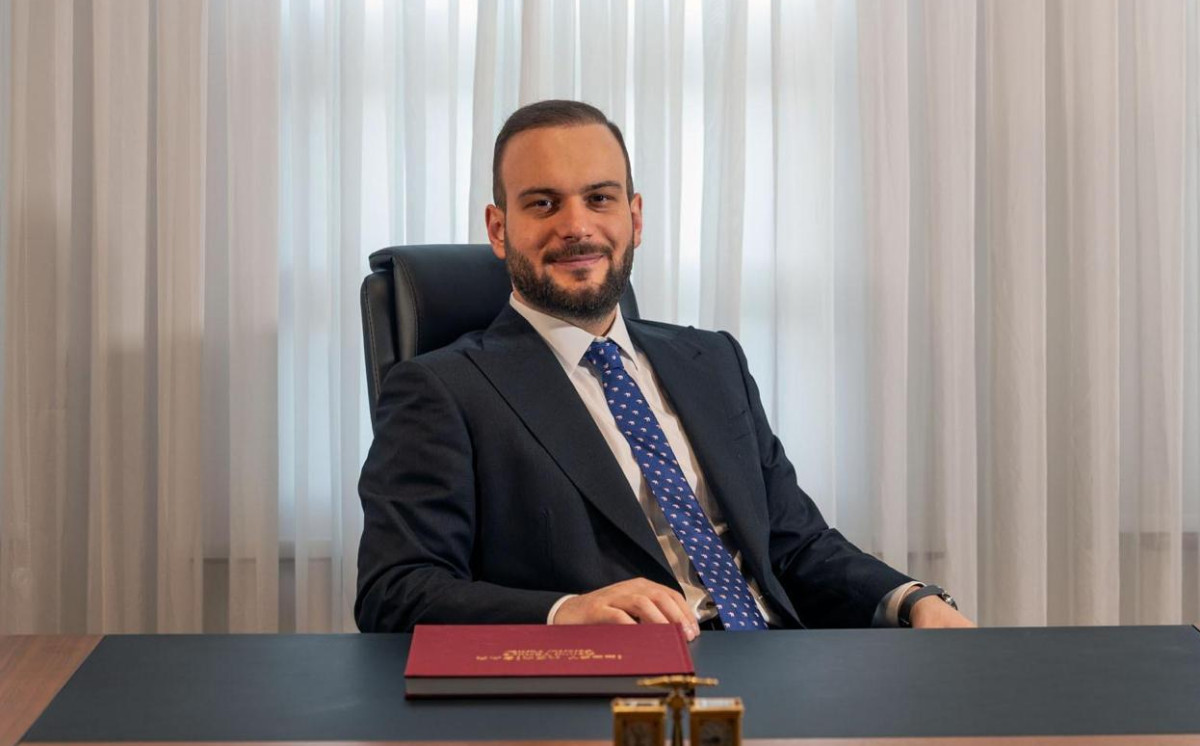
 https://innews.az/uploads/news/2026-05/_innews_1fa09b9e78c4d237091cb0182_o.jpg
One question I’m increasingly asked in my role as Climate High-Level Champion is how COP31 in Antalya will be different from the COPs that came before it. What will it actually deliver that previous conferences haven’t?
These are fair questions. Anyone watching the growing impacts of climate change on our economies, on people’s livelihoods, on health systems and the natural world has every right to be asking these questions. We need climate action that is measurable, practical and felt in people’s daily lives.
At the same time, I’ve learned through my own journey that real change is rarely delivered in a single moment. It builds gradually. Growing up in Istanbul’s Fatih district, I saw how collective local efforts, whether in youth work at City Hall or through community initiatives, can create lasting improvements where they matter most. The COP process works in a similar way. Each conference builds on the last.
As cities, urban planners, local governments, businesses and communities gather at the World Urban Forum in Baku, this conversation becomes even more urgent. Cities are where climate change is increasingly experienced most directly, through heat, pollution, flooding, waste, housing pressures and resource stress. But cities are also where some of the most practical and scalable climate solutions are already being implemented. At a time when global climate discussions are increasingly focused on financing implementation, the role of cities and local actors in delivering climate action can no longer remain at the margins of climate finance and decision-making.
COP28 in Dubai gave us a clear direction on transitioning away from fossil fuels. COP29 in Baku put climate finance front and centre. COP30 sharpened the focus on implementation. Now COP31 must help close the stubborn gap between ambitious commitments on paper and real delivery on the ground.
The reality is that we do not lack solutions. Practical, scalable approaches already exist across energy, transport, cities, food systems, industry and waste. The real challenge is financing and implementing them at the necessary scale and speed, especially in countries and communities that contributed least to the problem but suffer its worst effects. In many cases, the solutions closest to communities remain the furthest from financing.
That’s why climate finance remains central. At COP29, Parties committed to scaling up support for developing countries to at least $300 billion per year by 2035, while mobilising broader flows toward the $1.3 trillion needed annually. The Baku to Belém Roadmap rightly underlines that implementation cannot happen without finance that actually reaches where it’s needed.
Yet too often, the most effective solutions struggle to access funding. Less than 10 percent of climate finance currently flows directly to local actors, even though community-level projects frequently deliver the highest returns. Studies show that every dollar invested in adaptation can generate more than ten dollars in benefits, with some local resilience initiatives returning between two and nineteen dollars for every dollar spent.
I’ve seen this firsthand through our work at the Zero Waste Foundation. When communities lead, whether through climate-smart agriculture, local flood protection or zero-waste systems, solutions are faster to implement, better tailored to local realities and more likely to last because people own them.
Waste, in particular, deserves far more attention as a climate issue. Food loss and waste alone account for 8–10 percent of global greenhouse gas emissions, much of it through methane released from decomposing organic matter in landfills. Cutting methane delivers near-term climate benefits while also saving land, water and energy resources further up the chain.
This is why zero-waste and circular approaches are so powerful. They reduce emissions, strengthen food security, cut costs, create jobs and build more resilient communities. Achieving SDG 12.3, halving per capita food waste by 2030, is not just an environmental target. It is one of the most practical steps we can take toward climate goals and human wellbeing.
In the coming months, as Climate High-Level Champion, I will keep working with governments, cities, businesses, financial institutions, philanthropy and civil society to align efforts and move from isolated projects to genuine scale. My focus will remain on practical delivery, bridging international commitments with local action.
The success of COP31 will not be measured by the number of new pledges announced in Antalya. It will be judged by whether financing, support and trust truly reach the municipalities, community organisations, entrepreneurs and innovators who are already delivering results on the ground every single day.
Because that is where the Paris Agreement will ultimately succeed or fail: not only in grand conference halls, but in the cities, towns and villages where people live, work and build their futures.
About Climate-High Level Champions
The Climate High-Level Champions (HLCs) work to mobilize ambitious climate action from businesses, cities, regions, and financial institutions to support governments in achieving the goals of the Paris Agreement. By driving partnerships, showcasing transformative solutions, and prioritizing support for vulnerable communities, the HLCs help turn ideas into impact – cleaner air, better jobs, safer homes, and a healthier world for all. Appointed by successive COP Presidencies, the Champions work to strengthen collaboration between governments and the “real economy,” helping to translate climate commitments into practical, scalable solutions.
About Zero Waste Foundation
The Zero Waste Foundation is a foundation established in 2023 under the auspices of President Recep Tayyip Erdoğan's wife, Emine Erdoğan. The purpose of the foundation is to disseminate the Zero Waste Project and ensure its sustainability. The Foundation works with governments, international organizations, the private sector and civil society to advance solutions that reduce waste, improve resource efficiency and support sustainable development. It also plays a leading role in promoting the International Day of Zero Waste, in partnership with the United Nations Environment Programme (UNEP) and UN-Habitat, to raise global awareness and accelerate action toward more sustainable consumption and production patterns.
Samed Ağırbaş
Climate High-Level Champion and President Zero Waste Foundation







Ən son xəbərləri səhifəmizdən də izləyin